Q#1: During President Trump’s next four years, how can I tell the difference between what is actually the law vs. the interpretations of the law by the various immigration agencies vs. what Trump says on TV?
A#1: Given this modern era, we’re constantly faced with sources claiming to know the law and exactly how it will be applied in a given situation. However, the “black and white letter of the law” is typically pretty dense and requires interpretation. These are called STATUTES, which are laws that are passed the legislature and signed by the President. These are 100% binding and form the foundation of immigration law, such as the Immigration and Nationality Act, which comprises the baseline rules for all Immigration Laws.
Q#2: How do the various immigration agencies and departments interpret statutes to apply these baseline laws?
A#2: The various agencies – like ICE, USCIS, DHS, and CBP – create REGULATIONS, which further break down the Statutes and guide each agency in their application. These Regulations interpret the dense laws to allow them to be applied to each agency’s focus – such as interior enforcement, patrolling the border, or providing benefits. However, if a person believes a Regulation misinterprets a Statute, or if the Regulation adds additional requirements not specifically stated in the Statute, then they can challenge the Regulation in court by filing a lawsuit.
Q#3: What if these REGULATIONS based on the STATUTES are still confusing?
A#3: If a Regulation is unclear or has multiple unintended interpretations, the head of the agency will issue a POLICY MEMO to clarify the application of the law. When a new President’s administration comes to power, they will typically direct the officials at the head of the agency to take a more or less lenient approach to the Statutes or Regulations by issuing new Policy Memos based on their own interpretation. Before being issued, Policy Memos are typically reviewed and vetted multiple times to ensure constitutionality and legality. However, Policy Memos are frequently challenged and can be overturned by the courts since a President’s opinion of the law does not always align with the opinion of the court based on a close reading of the Constitution.
Q#4: What if a person doesn’t believe that a Policy Memo follows the Regulations or Statutes it is based on?
A#4: Challenges can be filed against Policy Memos, Regulations, and even Statutes in court if a person believes they are unconstitutional or overreaching. However, challenges in the courts can take many years to resolve as they start at the lowest level and can be appealed all the way to the Supreme Court. For instance, the DACA Program has been fought over in the courts for 8+ years as they weigh President Obama’s interpretation of a President’s immigration authority.
Q#5: What if a President makes a ridiculous statement like “I will end immigration”, or “I will stop birthright citizenship”? Can they issue a Policy Memo to make these changes?
A#5: No. Even though a President can state their opinion on how they would like to change the immigration laws, any real changes require new legislation in the form of STATUTES (discussed above) that need to be passed by both the Senate and the House of Representatives. Immigration reform overhauling the underlying immigration Statutes has not occurred in nearly 40 years, despite many Presidents’ calls for reform.

Q#6: If I have questions about Trump’s statements or new Policy Memos and how they apply to my situation, who should I talk to?
A#6: You should consult an Immigration Attorney to understand the potential impact of new Policy Memos. Attorneys can provide guidance on the changing landscape of immigration law and policy. Navigating immigration law can be complex, especially during periods of shifting executive priorities. Understanding the distinction between Statutes, Regulations, and Policy Memos will help you determine what is legally binding. The remaining statements made by the President are meant to try to get Congress to change the Statutes that underpin the existing immigration law.
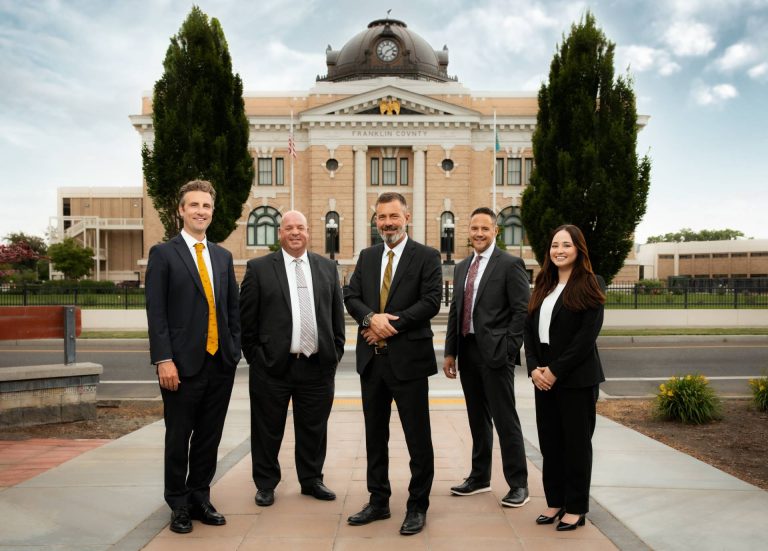
Eamonn P.S. Roach is an attorney of the firm Roach & Bishop, LLP in Pasco, Washington, who practices immigration law. This information does not constitute legal advice. It is possible that this information does not apply to you. Each case depends on specific facts. If you have questions regarding the immigration laws that you would like answered in this column, please send them to: Eamonn P.S. Roach, 9221 Sandifur Pkwy, Suite C., Pasco, WA 99301, phone: (509) 547-7587, fax: (509) 547-7745; or email eroach@roachlaw.com.
To read this blog in Spanish, click here.